
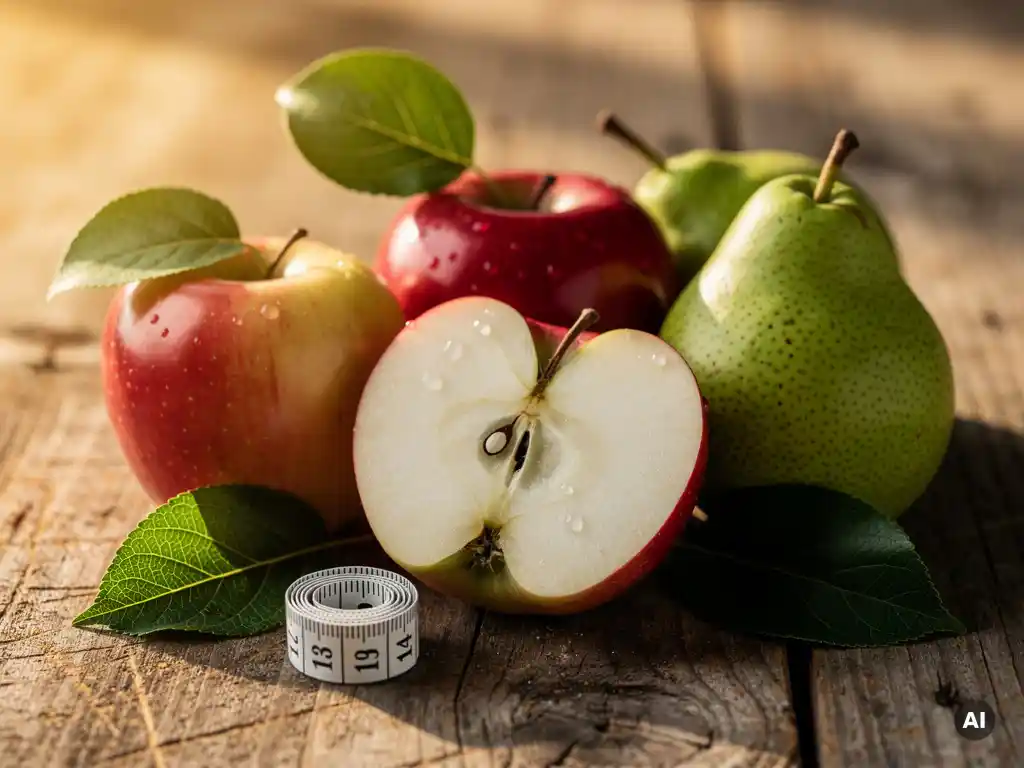
Fruit varieties that align with functional snacking are those that combine natural nutritional value with eating qualities that make them genuinely enjoyable to consume without preparation. The best candidates offer a balance of natural sugars, dietary fibre, vitamins, and bioactive compounds alongside a flavour, texture, and size that make them easy to reach for between meals. Below, we unpack the specific traits, variety types, and breeding considerations that shape a fruit’s suitability as a functional snack. If you want to explore what we offer or simply get in touch, feel free to contact us directly.
What makes a fruit variety ‘functional’ for snacking?
A fruit variety is considered functional for snacking when it delivers measurable nutritional or health benefits alongside the convenience and sensory appeal that encourage regular consumption. Functionality goes beyond basic nutrition: it refers to traits such as antioxidant content, fibre density, low glycaemic impact, and the presence of polyphenols or other bioactive compounds that support wellbeing.
For a variety to truly qualify as a functional snack fruit, it also needs to perform well outside the kitchen. That means a firm texture that holds up without refrigeration, a natural portion size, and minimal preparation. A variety that scores high on nutrition but bruises easily, tastes flat, or requires peeling loses much of its snacking appeal in practice. Functional snacking is as much about behaviour as it is about biology: the variety needs to make the healthy choice the easy choice.
Which traits do consumers look for in a functional snack fruit?
Consumers seeking healthy snacking options consistently prioritise a combination of taste, convenience, and a sense of nutritional value. In practical terms, this translates to fruit that is naturally sweet without feeling indulgent, easy to eat on the go, visually appealing, and satisfying enough to replace processed alternatives.
Beyond the obvious, a few traits consistently drive repeat purchase behaviour in health-focused fruit categories:
- Crunch and texture: A firm, juicy bite signals freshness and makes the eating experience more satisfying.
- Balanced sweetness and acidity: Varieties that are too sweet can feel like a treat rather than a snack; too tart and they lose broad appeal. The right balance keeps the experience refreshing.
- Consistent quality: Consumers who buy a variety repeatedly expect it to taste the same each time, something that well-managed club varieties tend to deliver more reliably than open-market fruit.
- Clean label perception: Shoppers increasingly associate fresh fruit with minimal intervention, so varieties that are grown with fewer inputs carry a natural marketing advantage in the functional snacking space.
Size also plays a role. Smaller apples and pears that fit naturally in a lunchbox or bag without cutting are disproportionately popular in snacking contexts, particularly for children and commuters.
How does a variety’s flavour profile affect its snacking appeal?
A variety’s flavour profile is one of the strongest predictors of its snacking success because taste drives repeat consumption. Varieties with a complex, well-rounded flavour, combining sweetness, a hint of acidity, and aromatic depth, tend to hold consumer attention far better than one-dimensional fruit, however nutritious it may be.
Flavour in apples and pears is shaped by the ratio of sugars to organic acids, the presence of volatile aromatic compounds, and the texture of the flesh itself. A high-sugar variety without acidity can taste cloying and feel heavy, which is the opposite of what most snackers want. Conversely, a variety with bright acidity and a firm, crisp bite tends to feel energising and refreshing, qualities that align well with the functional snacking mindset.
Aromatics also matter more than many growers and retailers realise. The distinctive scent and aftertaste of a variety like Kanzi®, with its recognisable sweet-tart intensity, is part of what builds brand loyalty in the snacking category. When a fruit is memorable, consumers seek it out by name rather than simply reaching for whatever apple is available. This is where strong flavour profiles translate directly into commercial value.
What’s the difference between club varieties and standard varieties for functional snacking?
Club varieties are managed under a controlled licensing model that limits who can grow them and how they are marketed, while standard varieties are available to any grower without restriction. For functional snacking, this distinction matters because club varieties typically offer more consistent quality, stronger branding, and a more reliable consumer experience than open-market fruit.
What club varieties offer the functional snacking market
Because club varieties are grown under coordinated programmes with defined quality standards, the fruit reaching the consumer is more uniform in size, flavour, and appearance. This consistency builds trust, a key driver in the functional food category, where shoppers are making deliberate, health-motivated choices and expect the product to deliver on its promise every time.
Club varieties also benefit from dedicated marketing investment, which means they are more likely to carry clear messaging around taste, origin, and nutritional positioning. That communication infrastructure makes it easier for retailers to present the variety as a premium, health-aligned product rather than a commodity.
Where standard varieties still play a role
Standard varieties remain important in functional snacking, particularly where price accessibility is a priority or where the variety has achieved such widespread recognition that it functions as its own category. Golden Delicious, Gala, and Conference pears, for example, are deeply embedded in consumer habit and remain credible snacking choices despite being openly traded. The limitation is that quality can vary significantly depending on grower, region, and season, which can undermine the consistent experience that functional snacking consumers increasingly expect.
Which apple and pear varieties are best suited to functional snacking?
The apple and pear varieties best suited to functional snacking are those that combine strong flavour, firm texture, reliable shelf life, and a nutritional profile that supports health-oriented positioning. Among apples, varieties with a high polyphenol content, natural crunch, and a balanced sweet-acid profile tend to perform best in this segment.
Within our own portfolio, Kanzi® has established itself as a benchmark for premium snacking apples: its intense flavour, firm bite, and visual appeal make it a natural fit for health-conscious consumers. More recently, Morgana® and Giga® have emerged as compelling options for the functional snacking market, offering distinct flavour profiles and strong eating quality that set them apart on the shelf. You can explore the full range of our apple and pear varieties to see which might align with your market.
For pears, the functional snacking opportunity is somewhat underexploited compared to apples, largely because many traditional pear varieties require careful ripening management and have a short eating window. Varieties that offer a longer snacking window, better firmness at point of sale, and a more immediately accessible flavour profile are better positioned to capture functional snacking demand as the category grows.
How does disease resistance in a variety support a healthier snack product?
Disease resistance in a fruit variety supports a healthier snack product by reducing the need for pesticide applications during cultivation, which in turn lowers chemical residue levels in the harvested fruit and aligns the product with consumer expectations around clean, natural food. Varieties bred for resistance to common pathogens such as scab, mildew, and fire blight can be grown with significantly fewer inputs without sacrificing yield or quality.
This matters for functional snacking in two interconnected ways. First, it strengthens the nutritional and safety credentials of the fruit itself: a product grown with minimal chemical intervention is easier to position as genuinely wholesome. Second, it supports the sustainability story that increasingly drives purchasing decisions among health-focused consumers, who tend to care not only about what they eat but how it was produced.
At Better3Fruit, disease and pest tolerance is a core pillar of our breeding strategy, not an optional extra. We design varieties to perform well under lower-input growing conditions, which benefits growers through reduced costs, benefits retailers through cleaner supply chains, and ultimately benefits the consumer who wants a nutritious snack they can feel good about. Climate resilience is woven into the same long-term goals, ensuring that the varieties we develop today remain viable as growing conditions continue to shift.
If you are looking to align your supply chain with the growing demand for functional, health-focused fruit, we would be glad to discuss which of our varieties might be the right fit. Get in touch with our team to start the conversation.
This content was generated with the help of AI and it may contain mistakes