
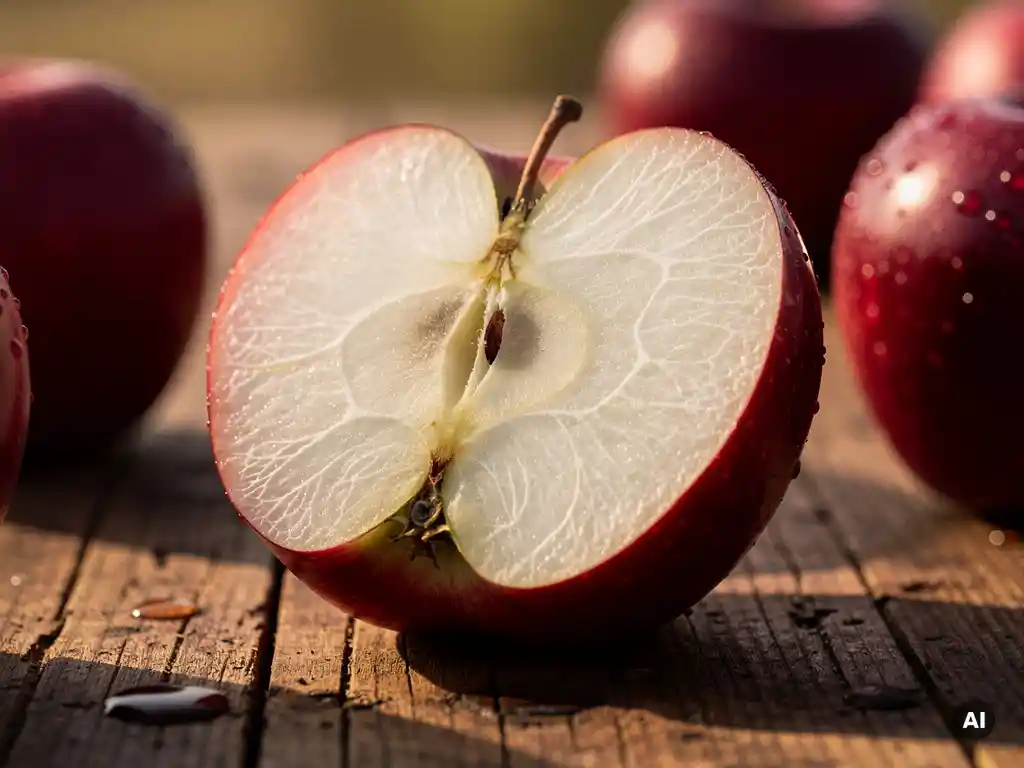
Cell structure is the primary driver of fruit texture. The size, shape, and arrangement of cells, combined with the composition and integrity of their walls, determine whether a fruit feels crisp, soft, juicy, or mealy in the mouth. These structural properties are shaped by genetics, ripening stage, and post-harvest handling. The questions below unpack each layer of that relationship, from basic cell biology to breeding and storage.
If you have questions about how these principles apply to variety development, feel free to get in touch with us directly.
How do plant cells determine the texture of fruit?
Fruit texture is determined by the physical properties of the cells that make up the fruit’s flesh. Cell size, turgor pressure, the strength of cell walls, and the way cells bond to one another all contribute to the overall mouthfeel. Larger, well-hydrated cells with strong intercellular bonds tend to produce firm, crisp fruit, while smaller or loosely connected cells create a softer or grainier bite.
When you bite into a piece of fruit, you are essentially rupturing cells. The resistance those cells offer, and the way they break, defines what you perceive as texture. A cell that breaks cleanly and releases juice creates a crisp sensation. A cell that collapses or detaches from its neighbours without rupturing produces softness or mealiness. The distribution of cell types across the fruit, from the skin to the core, adds further complexity to the overall textural experience.
What role does the cell wall play in fruit firmness?
The cell wall is the primary structural component governing fruit firmness. It is a rigid but flexible framework made largely of cellulose, hemicellulose, and pectin. Pectin, in particular, acts as a kind of molecular glue that holds adjacent cell walls together. The more intact and cross-linked this pectin network is, the firmer the fruit will feel.
Cell wall composition directly influences how a fruit responds to pressure. A dense, well-organized wall resists deformation and gives fruit its characteristic firmness. As pectin breaks down, whether through ripening or enzymatic activity, the wall weakens and cells begin to separate more easily. This is why fruit firmness is so closely tied to cell wall biology, and why breeders and researchers pay close attention to the genes that regulate pectin structure and degradation.
Why does fruit texture change as it ripens?
Fruit texture changes during ripening because enzymes break down the structural components of the cell wall, particularly pectin. This process, known as cell wall disassembly, reduces the bonds between neighbouring cells and softens the overall tissue. At the same time, turgor pressure inside the cells can decrease as water moves out, further contributing to the loss of crispness.
Ripening is a coordinated biological process triggered by plant hormones, most notably ethylene in climacteric fruits like apples and pears. As ethylene levels rise, it activates a cascade of enzyme activity that dismantles cell wall polymers and converts starches to sugars. The result is a fruit that is sweeter and softer. The speed and extent of this process vary significantly between varieties, which is why some apples remain firm for weeks after harvest while others soften within days.
What’s the difference between crispness and mealiness in apples?
Crispness and mealiness in apples are opposite textural outcomes driven by how cells fracture and separate. A crisp apple has cells with strong walls that rupture cleanly when bitten, releasing juice and creating a sharp, satisfying snap. A mealy apple has cells that detach from one another rather than breaking, producing a dry, grainy sensation because the juice stays trapped inside intact but separated cells.
The key difference lies in the middle lamella, the pectin-rich layer that bonds adjacent cell walls. In crisp apples, this bond remains strong enough that biting through the fruit breaks the cells themselves. In mealy apples, the middle lamella has weakened, often due to over-ripening or improper storage, so cells slide apart rather than rupture. Mealiness is widely considered a quality defect and is a key trait that apple breeders actively work to eliminate through selection for robust cell wall chemistry.
How does breeding influence fruit cell structure and texture?
Breeding directly shapes fruit cell structure by selecting for specific genetic traits that govern cell wall composition, cell size, turgor pressure, and ripening behaviour. Through careful cross-pollination and evaluation, breeders can combine favourable traits from different parent varieties to produce offspring with improved texture, longer firmness retention, and better resistance to mealiness.
At Better3Fruit, we use molecular markers to identify genetic signatures linked to desirable textural traits early in the development process. This allows us to screen thousands of seedlings without waiting years for fruit to develop, dramatically accelerating the breeding cycle. Our varieties, including Kanzi® and the fast-growing Morgana®, reflect years of selection for eating quality, with texture being one of the core pillars alongside taste and appearance. You can explore our current variety portfolio to see how these breeding priorities translate into commercial fruit.
Pear texture presents a distinct challenge, as the presence of stone cells, clusters of thick-walled cells called sclereids, can create a gritty mouthfeel. Breeding for reduced stone cell content is an active area of work in pear programs worldwide, including our own.
Can storage and handling conditions alter fruit cell structure?
Yes, storage and handling conditions can significantly alter fruit cell structure and, by extension, texture. Temperature, atmospheric composition, and physical impact all affect how quickly cell walls degrade and how well cells maintain their turgor pressure after harvest. Controlled atmosphere storage, which reduces oxygen and increases carbon dioxide levels, slows the enzymatic breakdown of pectin and helps preserve firmness over time.
Cold storage is the most widely used method for extending shelf life, but even small deviations in temperature can accelerate ripening and softening. Physical damage during handling, whether from impacts, compression, or vibration, ruptures cells and triggers localized enzymatic activity that spreads softening through the surrounding tissue. This is why bruised fruit softens rapidly around the point of impact. For breeders, understanding how a variety’s cell structure responds to storage conditions is just as important as how it performs at harvest, since a fruit that arrives at the consumer in poor condition fails regardless of its genetic potential.
Understanding the biology behind fruit texture is central to everything we do in apple and pear breeding. If you want to learn more about our work or discuss a potential collaboration, reach out to us and we will be happy to connect.
This content was generated with the help of AI and it may contain mistakes