
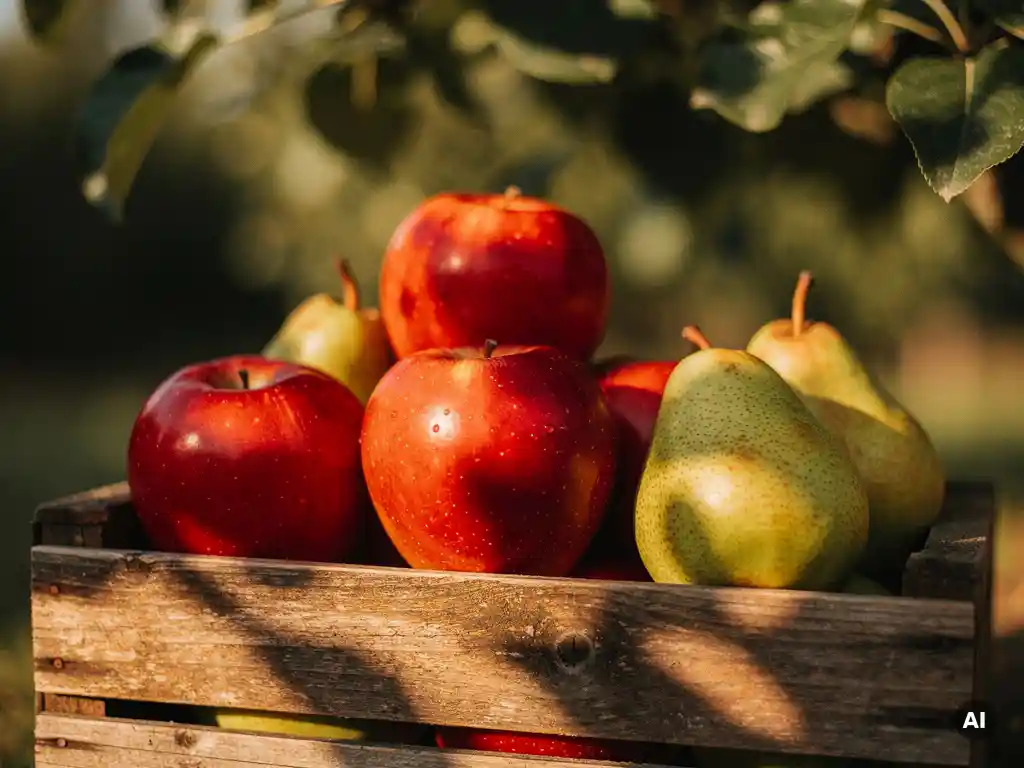
Fruit varieties that combine convenience with a long shelf life do exist, and they share a common profile: firm, dense flesh, natural disease resistance, and a thick enough skin to handle storage and transport without bruising easily. Modern apple breeding in particular has produced cultivars that stay crisp and flavorful for weeks or even months under the right conditions. Below, we answer the most common questions about fruit shelf life, storage performance, and what drives lasting quality from orchard to table. If you want to talk through variety options directly, feel free to get in touch with us and we will be happy to help.
What makes a fruit variety both convenient and long-lasting?
A fruit variety is both convenient and long-lasting when it combines structural firmness, a balanced sugar-acid ratio, and natural tolerance to the stresses of storage and handling. These traits reduce bruising during transport, slow down the ripening process, and keep the fruit appealing to consumers well beyond the point of harvest. Genetics, not just postharvest technology, is the foundation of that durability.
Convenience in fruit goes beyond easy peeling or a snack-ready size. It also means consistent quality from the first day on the shelf to the last. Varieties with high cell density tend to hold their texture longer, while those with lower ethylene sensitivity ripen more slowly and predictably. When a variety naturally resists browning, bruising, and moisture loss, it becomes far easier to manage across the entire supply chain, from cold storage to retail display to the consumer’s fruit bowl at home.
Which apple varieties have the longest shelf life?
Apple varieties with the longest shelf life are typically late-season cultivars with dense, firm flesh and low ethylene production. These apples can remain in controlled-atmosphere storage for several months without significant loss of texture or flavor. Varieties in this category tend to have a crisp bite and a balanced sweetness that holds up well over time, making them highly attractive to both retailers and consumers.
Among the commercially successful long-storing apples, club varieties bred for consistent quality tend to outperform open-market cultivars in shelf life tests. Our own Kanzi® apple, for example, has built a strong reputation in this area. Its firm, juicy flesh and well-balanced flavor profile make it a reliable performer in extended storage, which is one of the reasons it has become one of the most recognized club apple brands globally. More recently, varieties like Morgana® and Giga® have been developed with similar durability in mind, alongside additional traits like improved disease tolerance.
Beyond variety genetics, apple shelf life also depends on harvest timing. Picking at the right maturity window, before the fruit becomes overripe on the tree, is critical. Even the best-bred variety will underperform in storage if it is harvested too late.
Do pear varieties last as long as apples after harvest?
Pear varieties generally do not last as long as apples after harvest under standard conditions. Most pears are climacteric fruits that ripen rapidly once removed from cold storage, which gives them a much shorter retail and home life compared to late-season apples. However, the gap between pear and apple shelf life has narrowed significantly through targeted breeding efforts.
The core challenge with pears is that they ripen from the inside out, meaning by the time the skin shows signs of softening, the flesh near the core may already be overripe. This makes timing and cold-chain management especially important. Breeding programs focused on pear shelf life look for varieties with slower softening rates, better resistance to core breakdown, and skins that signal ripeness more reliably to the consumer.
Some modern pear varieties can hold quality in controlled-atmosphere storage for several weeks, which is a meaningful improvement over older cultivars. The trade-off, as with apples, is ensuring that extended storage does not come at the cost of flavor development. A pear that stays firm but never develops its characteristic sweetness and aroma is not truly convenient for the end consumer.
How does modern fruit breeding improve shelf life without sacrificing taste?
Modern fruit breeding improves shelf life without sacrificing taste by selecting for multiple traits simultaneously, using tools like molecular markers to identify desirable genetics early in the breeding cycle. This allows breeders to combine long-storage characteristics with high sugar content, aromatic complexity, and the right acid balance, rather than treating shelf life and flavor as a trade-off.
Traditional breeding often produced varieties that stored well but tasted flat, or varieties that tasted exceptional but bruised easily and ripened too fast. The difference today is precision. Molecular marker technology allows us to screen thousands of seedlings at an early stage, identifying which plants carry the genetic combinations most likely to deliver on both fronts. With over 10,000 new varieties entering the field each year and more than 30,000 under evaluation at any time, we can afford to be selective, advancing only those seedlings that show genuine promise across all the traits that matter.
Texture is particularly important in this balance. Consumers associate crispness with freshness, and varieties that maintain their cell structure during storage are perceived as higher quality even weeks after harvest. Breeding for cell wall integrity, moisture retention, and controlled starch-to-sugar conversion means that a well-bred apple or pear can taste like it was just picked, even after an extended cold-storage period.
What role does disease resistance play in fruit convenience?
Disease resistance plays a significant role in fruit convenience because varieties that resist common fungal and bacterial infections require less chemical intervention, suffer fewer cosmetic blemishes, and hold their quality longer in storage. A fruit that arrives at the retailer free of surface lesions or internal breakdown is simply more convenient for everyone in the supply chain, from the grower to the shopper.
Scab, mildew, and fire blight are among the most economically damaging diseases in apple and pear production. Varieties with genetic resistance to these pathogens reduce the need for repeated spraying, which lowers production costs and supports more sustainable farming practices. Importantly, disease-resistant fruit also tends to have better skin integrity, which directly contributes to a longer shelf life by reducing entry points for postharvest pathogens.
Our breeding strategy places disease and pest tolerance at the center of variety development, alongside taste and grower yield. This is not just about environmental responsibility, though that matters. It is about building varieties that perform reliably across different growing regions and climate conditions, which is increasingly important as weather patterns become less predictable. A variety that holds up in the orchard is far more likely to hold up in storage and on the shelf.
Should growers choose club varieties or open varieties for shelf life performance?
Growers looking for strong shelf life performance will generally find club varieties offer more consistency than open-market cultivars. Club varieties are bred and managed under coordinated programs that include strict quality standards, controlled production volumes, and dedicated marketing support. This structure means that only fruit meeting defined quality benchmarks, including storage performance thresholds, reaches the market under the variety’s brand name.
Open varieties, by contrast, are available to any grower without licensing restrictions, which creates more variability in how they are grown, harvested, and stored. That variability can translate into inconsistent shelf life performance at the retail level, even when the underlying genetic potential of the variety is strong.
That said, the right choice depends on a grower’s market access, production scale, and long-term strategy. Club varieties typically require a license and come with obligations around quality and volume, but they also offer the benefit of coordinated demand, brand recognition, and often a premium price point. For growers who can meet those requirements, the shelf life consistency of a well-managed club variety is a genuine commercial advantage. You can explore our full range of licensed apple and pear varieties to find the right fit for your operation.
Ultimately, shelf life is not just a postharvest concern. It starts with variety selection, continues through orchard management, and is reinforced by the quality systems that surround a variety from breeding to retail. Whether you are a grower, a retailer, or a licensing partner, choosing a variety with proven storage performance is one of the most impactful decisions you can make. Contact us to discuss which varieties best match your goals for shelf life, convenience, and long-term market success.
This content was generated with the help of AI and it may contain mistakes