
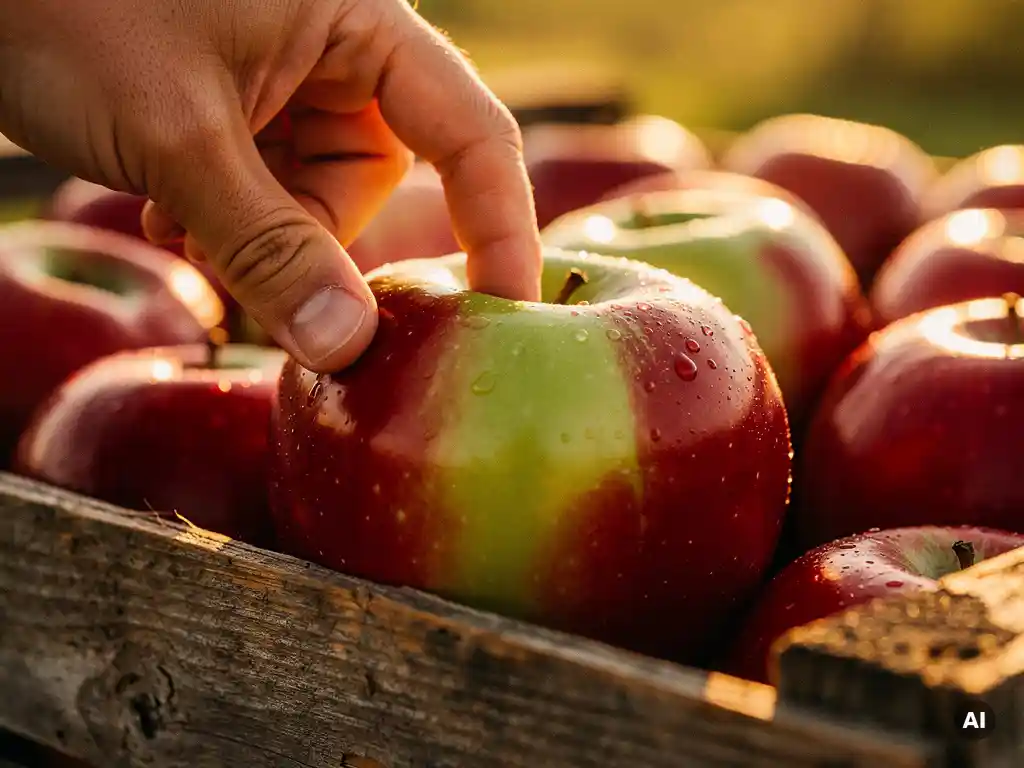
Consumers choose fruit based on texture because it directly signals freshness, ripeness, and quality in a way that sight alone cannot. A crisp, firm bite tells the brain the fruit is fresh and worth eating again; a soft or mealy one triggers disappointment regardless of how the fruit looks or smells. The sections below unpack the specific mechanisms, buying behaviours, and breeding decisions that make fruit texture one of the most powerful drivers in consumer choice. If you would like to speak with us directly, feel free to get in touch at any time.
How does texture influence the eating experience of fruit?
Fruit texture shapes the entire sensory experience of eating by determining how a fruit feels, sounds, and breaks down in the mouth. A crisp, juicy bite creates immediate pleasure signals, while a soft or grainy texture can make even a sweet fruit feel unappetising. Mouthfeel is not a secondary quality trait; it is often the first thing a consumer notices after taking a bite.
When we talk about fruit texture, we are really talking about a combination of factors: cell structure, water content, firmness, and the way flesh breaks apart under pressure. A high-quality apple, for example, delivers a sharp crack on the first bite, followed by a release of juice and a clean chew. That sequence of sensations creates what food scientists call a positive mouthfeel experience, and it is deeply connected to perceived freshness.
Texture also interacts with flavour. A crisp apple carries sweetness and acidity more vividly because the cell walls rupture quickly, releasing aromatic compounds alongside juice. A mealy or overripe apple, by contrast, delivers the same sugars but without the brightness, because the texture suppresses aroma release and makes the eating experience feel flat.
What role does texture play in repeat fruit purchases?
Texture is one of the strongest predictors of repeat purchase in fresh fruit because it directly shapes consumer satisfaction after the first bite. A positive texture experience, crispness, juiciness, a clean break, creates a sensory memory that drives shoppers back to the same variety. A negative one, such as mealiness or excessive softness, often ends the relationship with that variety permanently.
Fruit buying behaviour is heavily influenced by past eating experiences. Consumers who cannot see inside a piece of fruit rely on variety recognition and brand trust to predict what they will get. This is precisely why club varieties with consistent quality standards hold such strong loyalty: shoppers learn that a specific name on the label reliably delivers the texture they enjoyed before.
Retailers and category managers understand this dynamic well. Varieties that score poorly on texture in consumer panels rarely survive on shelf, even when they perform strongly on appearance or sweetness. Texture, in short, is not just about enjoyment in the moment; it is the quality trait most likely to determine whether a consumer reaches for the same fruit again next week.
Why do some apple varieties feel crispier than others?
Some apple varieties feel crispier than others because of differences in cell structure, cell wall strength, and the density of the flesh. Varieties with tightly packed, turgor-rich cells snap cleanly under pressure, producing that distinctive crack associated with a high-quality crispy apple. Varieties with looser or starchier cell walls break down differently, resulting in a softer or mealier bite.
Several factors determine how crisp an apple feels at the point of eating. Genetics is the most fundamental: the variety itself sets the ceiling for how crisp the fruit can be. But post-harvest handling, storage conditions, and the timing of harvest all influence how much of that genetic potential is preserved by the time the apple reaches the consumer.
Apple texture also changes over time. Apples naturally soften after harvest as cell walls break down through enzymatic activity. Controlled-atmosphere storage slows this process, which is why well-managed supply chains can deliver crisp apples many months after harvest. However, varieties differ significantly in how well they retain firmness during storage, a trait that breeders now actively select for alongside raw eating quality.
How does texture compare to sweetness and appearance in consumer choice?
Texture, sweetness, and appearance each influence consumer fruit preference at different stages of the purchase decision. Appearance drives the initial selection at the point of sale. Sweetness and texture determine satisfaction after eating, and of the two, texture tends to have a stronger effect on whether a consumer returns to the same variety.
Appearance gets a consumer to pick up the fruit. Colour, size, and surface finish are the first signals processed in a retail environment, and they create initial expectations. But appearance cannot be tasted, and a beautiful fruit that disappoints on texture or flavour quickly erodes trust in that variety or brand.
Sweetness matters, but it is more forgiving than texture. Consumers tolerate a range of sugar levels across varieties, and personal preference for sweet versus sharp varies widely. Texture, by contrast, has a much narrower acceptable range; most consumers share a clear preference for firm and crisp over soft and mealy, regardless of other flavour preferences. This makes apple texture and pear texture among the most commercially critical quality traits a breeder can optimise for.
What texture traits do consumers value most in apples and pears?
The texture traits consumers value most in apples are crispness, firmness, and juiciness. In pears, the preference shifts toward a smooth, buttery mouthfeel with minimal graininess. Across both fruits, consumers consistently reject mealiness, excessive hardness, and dry or fibrous flesh as negative texture experiences.
Apple texture preferences
For apples, crispness is the single most valued texture trait. Consumers associate a sharp, audible crack on the first bite with freshness and quality. Juiciness follows closely: an apple that is crisp but dry feels incomplete. Firmness matters too, but extreme hardness can read as unripe, so the ideal sits in a specific range that feels substantial without requiring excessive force to bite through.
Pear texture preferences
Pear texture expectations differ meaningfully from apple preferences. The classic European pear ideal is a smooth, melting flesh with fine grain and good juice content. Graininess, caused by clusters of stone cells called sclereids, is the most common consumer complaint in pears. Breeders working on pear varieties target low sclereid density as a priority trait, alongside the characteristic buttery softness that consumers associate with a perfectly ripe pear.
How are new fruit varieties bred to meet texture expectations?
New fruit varieties are bred to meet texture expectations by selecting parent plants with desirable texture traits and using molecular marker technology to identify offspring that carry those traits before they ever produce fruit. This approach dramatically accelerates the breeding cycle and allows breeders to target specific texture characteristics, such as crispness, firmness, or low graininess, with much greater precision than traditional methods allow.
At Better3Fruit, we use molecular markers as a core tool in our breeding programme. Rather than waiting years for a seedling to mature and produce fruit before evaluating its texture, we can screen thousands of young plants at the DNA level and identify which ones carry the genetic profiles associated with the texture traits we are targeting. This means we bring only the most promising candidates through to field evaluation, saving time and resources while increasing the likelihood of commercial success.
With over 30,000 new varieties under evaluation at any time and 10,000 new seedlings of each crop entering the field every year, our programme operates at a scale that allows us to explore a very wide genetic range. This breadth is important for texture breeding because the traits that define a great eating experience, crispness, juiciness, firmness retention in storage, are influenced by multiple genes working together, and finding the right combination requires evaluating a large population.
You can explore the varieties we have developed and brought to market on our variety overview page, where each cultivar reflects years of targeted selection for eating quality, including texture. If you are interested in learning more about our breeding approach or discussing licensing opportunities, get in touch with us; we would be glad to talk.
This content was generated with the help of AI and it may contain mistakes