
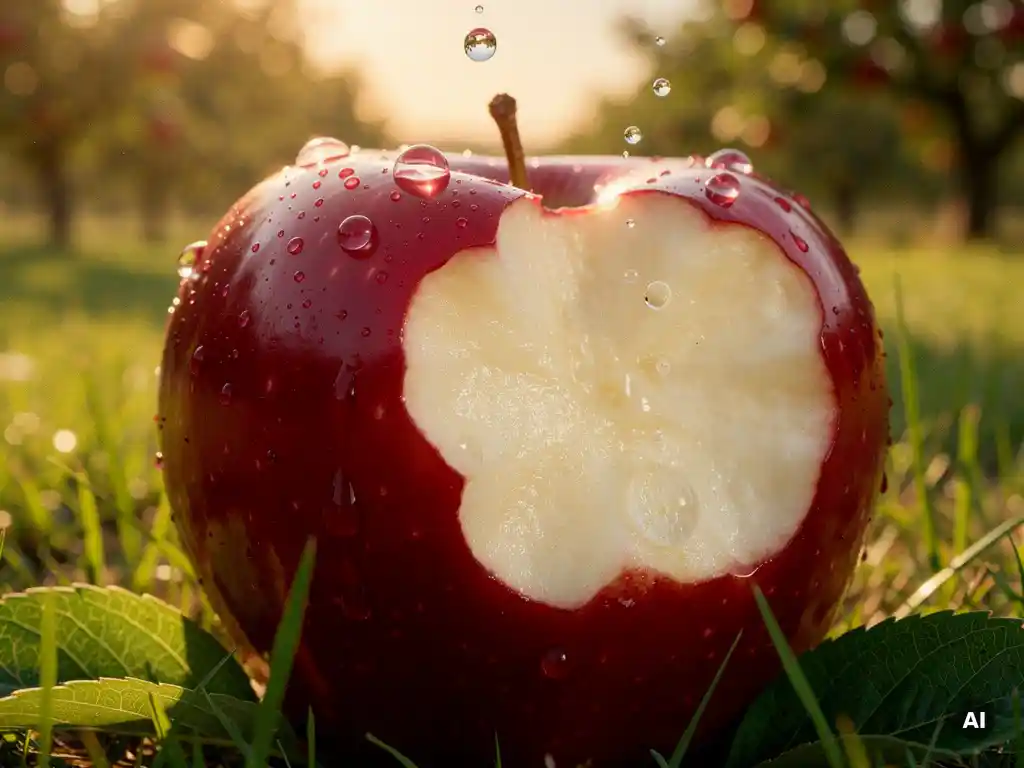
Consumers find crunchy fruit tastier because texture is not just a physical sensation, it is a core part of how the brain processes flavor. A firm, snappy bite signals freshness and ripeness, triggering a positive sensory response that makes the fruit feel more rewarding to eat. The questions below unpack exactly why that happens, from brain science to breeding.
At Better3Fruit, understanding what makes a fruit genuinely enjoyable to eat sits at the heart of everything we do. If you want to know more about our work or our apple and pear varieties, feel free to get in touch, we are always happy to talk fruit.
What happens in the brain when we bite into something crunchy?
When you bite into a crunchy piece of fruit, your brain receives simultaneous signals from multiple sensory systems, taste, touch, and sound, and processes them together as a single, unified experience. This multisensory integration amplifies the perception of flavor and makes the eating experience feel more intense and satisfying than a soft or mushy bite would.
The sound of a crisp snap travels through the jaw and skull directly to the auditory cortex, and research in sensory science consistently shows that higher-pitched, louder food sounds increase the perceived freshness and crispness of what we are eating. At the same time, mechanoreceptors in the mouth and gums send tactile signals about cell structure and firmness. The brain combines all of this input and arrives at a judgment: this fruit is fresh, ripe, and worth eating.
There is also a reward dimension. Crunchy textures activate the brain’s sensory pleasure circuits more strongly than soft ones, which is one reason people tend to reach for crisp apples over mealy ones even when the flavor chemistry is identical. Texture is not decoration, it is a fundamental part of how we experience food.
Why does texture affect how we perceive sweetness and flavor?
Texture affects flavor perception because the physical structure of fruit controls how quickly and how completely flavor compounds and sugars are released during chewing. A firm, dense cell structure releases flavor more gradually and evenly, while a soft or broken-down structure floods the palate all at once, often resulting in a flat, one-dimensional taste.
In a crunchy apple or pear, the intact cell walls rupture progressively as you chew, releasing juice in controlled bursts. This means sweetness, acidity, and aromatic compounds reach your taste receptors in a more complex sequence, which the brain interprets as richer, more layered flavor. A mealy apple, by contrast, has already partially broken down at the cellular level, so the flavor release is compressed and the experience feels dull.
There is also a psychological element at work. When a fruit feels firm and snappy, consumers unconsciously expect it to taste better, and that expectation genuinely shapes the taste experience. Sensory scientists call this cross-modal perception: one sensory input (touch and sound) modifies the interpretation of another (taste). The result is that fruit texture and flavor are inseparable in the consumer’s mind, even if they are distinct properties in the lab.
What makes an apple or pear crunchy in the first place?
Crunchiness in apples and pears comes primarily from cell turgor pressure and cell wall integrity. Turgid cells, cells that are firm and full of water, push against each other and create the internal pressure that makes a fruit snap cleanly when bitten. When cell walls are thick and well-structured, that snap is sharp and audible. When cells lose water or walls weaken, the fruit becomes soft.
Several factors determine how crunchy a piece of fruit actually is:
- Variety genetics: The size, density, and wall thickness of fruit cells are largely determined by the variety’s genetic makeup. Some varieties are simply bred to produce firmer flesh than others.
- Harvest timing: Picking too late allows starch to convert to sugar and cell walls to soften. Harvesting at the right maturity window preserves maximum crunch.
- Post-harvest storage: Controlled atmosphere storage slows cell wall breakdown, maintaining firmness over months. Poor storage conditions accelerate softening.
- Water content and growing conditions: Adequate irrigation and appropriate soil conditions support cell turgor throughout the growing season.
For apple texture specifically, the enzyme polygalacturonase plays a central role, it breaks down pectin in cell walls over time, leading to softening. Varieties with naturally lower activity of this enzyme tend to hold their crunch longer, both on the tree and in storage.
Does crunchiness make fruit healthier as well as tastier?
Crunchiness itself does not directly add nutritional value, but it is a strong indicator of fruit quality traits that do matter for health. A firm, crunchy apple or pear typically has intact cell walls, high water content, and well-preserved fiber structures, all of which contribute to satiety, digestive health, and the bioavailability of vitamins and phytonutrients.
When fruit softens and cells break down, some volatile aromatic compounds and heat-sensitive nutrients degrade alongside the texture. This means that a mealy or overripe apple is not just less pleasant to eat, it may also deliver a slightly different nutritional profile compared to a freshly harvested, crisp one. The relationship is not dramatic, but it is real.
There is also a behavioral health angle worth noting. Consumers who enjoy the sensory experience of eating fruit are more likely to eat it regularly. If crunchiness makes fruit more rewarding to eat, it indirectly supports better dietary habits, which is a genuinely meaningful outcome, even if it is harder to measure than a vitamin content figure.
Can fruit breeders actually breed for crunch?
Yes, fruit breeders can and do select specifically for crunchiness. Apple crunchiness and pear texture are heritable traits, meaning they are passed from parent to offspring in predictable ways. Modern breeding programs use a combination of sensory evaluation, instrumental texture measurement, and molecular markers to identify and select seedlings with superior firmness and snap.
At Better3Fruit, fruit quality, including texture, is one of the core pillars of our breeding strategy. We evaluate tens of thousands of new seedlings every year, and crunchiness is assessed both instrumentally and through tasting panels, because the two do not always align perfectly. A fruit can measure as firm on a penetrometer but still feel less crisp in the mouth if its cell structure does not fracture cleanly.
Molecular markers have made this process considerably more precise. Rather than waiting years for a seedling to produce fruit and then assessing its texture, we can now screen for genetic markers associated with desirable texture traits at an early stage, saving time and resources while increasing the accuracy of selection. The goal is always to combine outstanding crunch with great flavor, strong disease tolerance, and reliable grower performance, because no single trait wins in the market on its own.
Breeding for fruit quality is a long-term commitment, and it is one we take seriously. If you are curious about our varieties or want to explore what a collaboration might look like, reach out to us directly, we would love to hear from you.
This content was generated with the help of AI and it may contain mistakes