
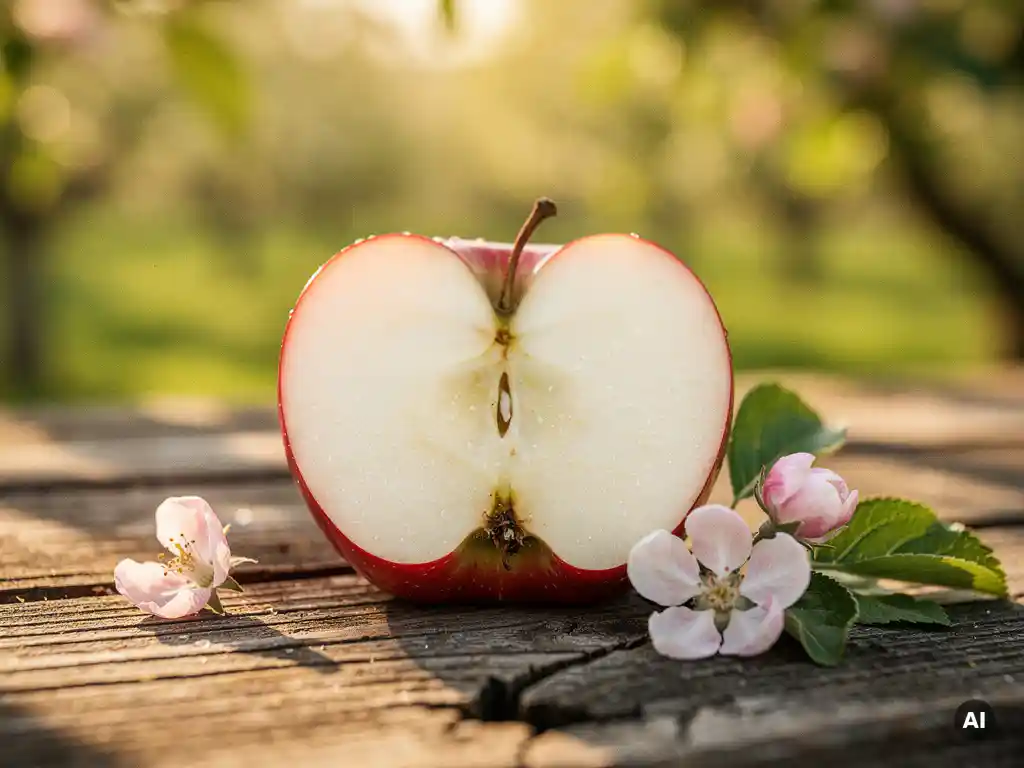
Apple texture is determined primarily by cell structure, cell wall composition, and the amount of water held within the fruit’s cells. Varieties with large, turgid cells and strong cell walls tend to be firm and crisp, while those with smaller or looser cell arrangements feel softer. Genetics sets the baseline, but ripeness, growing conditions, and post-harvest handling all shape the final eating experience. The questions below unpack each of these factors in detail, and if you’d like to talk apples with us directly, feel free to get in touch.
What makes one apple crunchier than another?
An apple’s crunchiness comes down to the size and rigidity of its cells and how firmly they are bonded together. When you bite into a crunchy apple, the cells rupture rather than separate, releasing juice and producing that satisfying snap. Varieties with dense, well-hydrated cells and strong pectin-based bonds between them consistently deliver a crunchier eating experience than those with looser tissue.
Beyond cell structure, turgor pressure plays a major role. Turgor is the internal pressure that builds up when cells are full of water. A well-irrigated apple harvested at the right moment will have high turgor pressure, which is why a freshly picked apple from the orchard often feels noticeably crisper than one that has spent weeks in storage. As moisture is lost, turgor drops and crunchiness fades with it.
The starch-to-sugar conversion that happens as an apple ripens also affects how the flesh responds to biting. Early in the ripening process, residual starch helps maintain a firm, snappy bite. As starch converts fully to sugar, the flesh softens and the crunch diminishes. This is why harvest timing is so closely linked to the eating quality consumers expect.
How does apple variety genetics influence texture?
Apple variety genetics is the single most influential factor in determining texture. The genes an apple inherits control cell size, cell wall thickness, pectin content, and the enzymes that break down cell walls during ripening. These inherited traits set a ceiling on how firm or crisp a variety can ever be, regardless of how it is grown or stored.
Different varieties express dramatically different textures as a direct result of their genetic makeup. A variety bred for a dense, fine-grained flesh will retain firmness even as it ripens, while another with a coarser cell structure may soften quickly. At Better3Fruit, texture is one of the core traits we evaluate across the tens of thousands of new seedlings we assess each year. Varieties that fail to deliver a consistent, appealing bite are eliminated early in the selection process, long before they are considered for commercial release.
Molecular marker technology has made it possible to identify texture-related traits at the seedling stage, without waiting years for a tree to produce fruit. This accelerates the breeding cycle and allows us to bring together the right combination of crunchiness, juiciness, and firmness much more efficiently than traditional methods allowed. You can explore the varieties we have developed to see how these breeding priorities translate into real commercial cultivars.
What role does ripeness play in apple texture?
Ripeness has a profound effect on apple texture. As an apple matures, enzymes naturally break down pectin in the cell walls, causing the cells to separate more easily rather than rupture cleanly. This is the biological process that transforms a firm, crunchy apple into a softer one. Harvest timing is therefore one of the most critical decisions in preserving the texture consumers expect.
Under-ripe apples can feel hard rather than crisp, with a starchy, slightly chalky quality that most consumers find unappealing. Over-ripe apples lose turgor pressure and cell integrity, resulting in a soft or even mealy texture. The ideal harvest window sits between these two extremes, when starch conversion is well underway but cell walls are still intact and the flesh is still firm.
Post-harvest ripening continues even in cold storage. Controlled-atmosphere storage, which regulates oxygen and carbon dioxide levels, slows the enzymatic activity responsible for softening. This is how modern supply chains are able to deliver apples with acceptable firmness months after harvest, though some texture change is inevitable over a long storage period.
How do growing conditions affect apple firmness?
Growing conditions directly influence apple flesh firmness by affecting cell development, nutrient availability, and water status throughout the growing season. Temperature, sunlight, irrigation, and soil nutrition all leave a measurable imprint on the texture of the fruit at harvest.
Temperature and sunlight
Cooler growing regions and high-altitude orchards tend to produce firmer apples because lower temperatures slow cell expansion and reduce the rate of enzymatic softening. Adequate sunlight drives photosynthesis, which builds the sugars and cell wall compounds that contribute to a dense, well-structured flesh. Apples grown in shaded positions within the canopy often develop a softer, less complex texture than those exposed to full light.
Nutrition and irrigation
Calcium is particularly important for apple firmness because it strengthens pectin cross-links in the cell wall. Orchards with low calcium availability, or where calcium uptake is disrupted, frequently produce fruit that softens rapidly after harvest. Irrigation management also matters: a consistent, well-regulated water supply promotes even cell development, while irregular watering can lead to uneven texture and increased susceptibility to disorders that compromise flesh quality.
What’s the difference between a crisp apple and a mealy apple?
The key difference between a crisp apple and a mealy apple is how the cells behave when you bite into the fruit. In a crisp apple, cells rupture under pressure, releasing juice and producing a clean, snappy texture. In a mealy apple, the bonds between cells break down before the cells themselves do, causing the flesh to crumble into dry, floury fragments rather than releasing juice.
Mealiness is caused by the degradation of the middle lamella, the pectin-rich layer that holds cells together. When enzymes break down this layer faster than the cell walls themselves weaken, cells separate intact instead of bursting. The result is a dry, grainy mouthfeel that most consumers find unpleasant. Mealiness is most commonly triggered by over-ripening, poor storage conditions, or a genetic predisposition in certain varieties.
Some older apple varieties are particularly prone to mealiness because their genetic profile favors rapid cell separation during ripening. Modern breeding programs specifically select against this trait, prioritizing varieties that maintain crisp, juicy flesh across a wider ripeness window and a longer storage period.
Can apple texture be measured objectively?
Yes, apple texture can be measured objectively using standardized instruments and techniques. The most widely used method is the Magness-Taylor pressure test, which measures the force required to push a probe a set distance into the apple flesh. The result, expressed in pounds or newtons, gives a reliable indication of firmness that correlates well with consumer perception of crunchiness.
More advanced tools go further. Acoustic firmness sensors measure the sound waves produced when a fruit is tapped, capturing information about cell density and tissue integrity that a simple pressure test cannot detect. Texture analyzers can simulate a full bite cycle, measuring not just firmness but also juiciness, brittleness, and the way the flesh breaks apart. These instruments are used in both research settings and commercial quality control programs to ensure consistency across harvests and growing regions.
At Better3Fruit, objective texture measurement is part of how we evaluate new seedlings and monitor the performance of commercial varieties over time. Subjective tasting panels are important, but instrumental data allows us to compare results across years, sites, and storage conditions with precision that human assessment alone cannot provide.
Apple texture is the result of genetics, ripeness, growing environment, and post-harvest management working together, and understanding each of these levers is what allows breeders and growers to consistently deliver fruit that consumers enjoy. If you want to learn more about how we approach texture and other key quality traits in our breeding program, contact us, and we would be happy to tell you more.
This content was generated with the help of AI and it may contain mistakes