
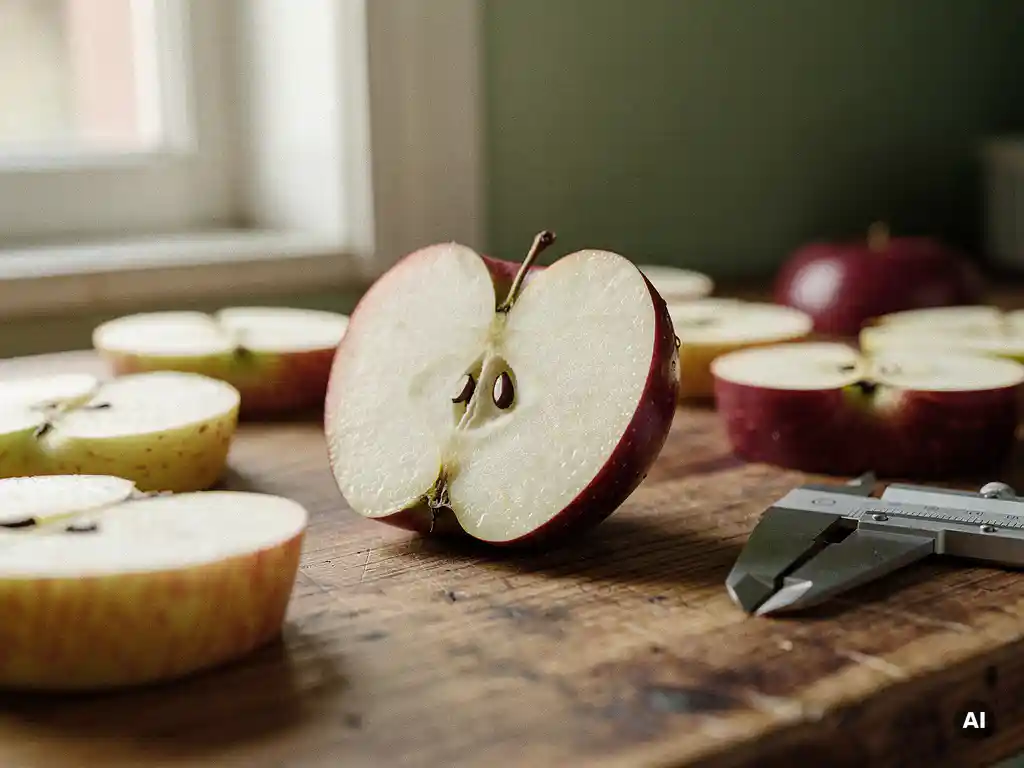
Fruit breeding innovations focused on texture span a wide range of approaches, from classical selection to cutting-edge genomic tools. Breeders today can target specific physical traits, like crispness, firmness, and juiciness, with far greater precision than ever before, thanks to advances in fruit texture genetics and molecular marker technology. The sections below unpack the key questions around how this works, which traits matter most, and where the field is heading.
If you want to learn more about how we approach these challenges at Better3Fruit, feel free to get in touch with us directly.
How do breeders actually target texture in apples and pears?
Breeders target texture in apples and pears by systematically evaluating thousands of seedlings for physical characteristics such as crispness, firmness, and cell structure, then selecting only those that meet defined quality thresholds. This selection process is guided by sensory panels, instrumental measurements, and increasingly by genetic data that predicts how a seedling will perform before it ever bears fruit.
In practice, texture breeding begins with crossing parent varieties that each carry desirable traits. A breeder might pair a variety known for exceptional crispness with one that offers outstanding juiciness, then evaluate the offspring over several growing seasons. Because apple and pear trees take years to mature, the ability to pre-screen seedlings using genetic information is transformative: it compresses the breeding timeline significantly and allows breeders to focus resources on the most promising candidates.
At Better3Fruit, we run one of the largest apple and pear breeding programs in the world, with over 30,000 new varieties under evaluation at any given time. That scale means we can apply rigorous selection pressure across an enormous genetic pool, increasing the likelihood of identifying varieties with genuinely outstanding texture profiles.
What role do molecular markers play in texture breeding?
Molecular markers play a central role in apple texture breeding by allowing breeders to identify genetic sequences associated with specific texture traits in seedlings, long before those seedlings produce fruit. This marker-assisted selection approach dramatically accelerates the breeding cycle and reduces the cost of evaluating large populations.
In fruit texture genetics, certain genes govern how cell walls are constructed and how they break down during ripening. Markers linked to these genes can be used as early screening tools. A seedling carrying the right genetic signatures for crispness or firmness can be prioritised for further development, while those unlikely to meet quality standards can be eliminated early, saving years of field evaluation.
We use molecular markers as a core part of our breeding methodology at Better3Fruit. This approach allows us to bring together multiple desirable traits, texture, taste, disease resistance, and yield, without compromising on any single dimension. The result is a more efficient path from initial cross to commercial variety.
What are the key texture traits breeders are working to improve?
The key texture traits targeted in apple and pear breeding are crispness, firmness, juiciness, and the way texture holds up after harvest and storage. Each of these traits is influenced by distinct genetic factors and presents its own breeding challenges.
- Crispness: Driven by cell turgor and cell wall integrity, crispness is one of the most sought-after qualities in modern apple varieties. Consumers consistently rank it among the top drivers of repeat purchase.
- Firmness: Related but distinct from crispness, firmness refers to the resistance of the flesh to pressure. It is especially important for post-harvest shelf life and long-distance supply chains.
- Juiciness: Determined by the water content and cell structure of the flesh, juiciness contributes significantly to the overall eating experience and is a key differentiator between varieties.
- Texture retention after storage: Many varieties that are firm and crisp at harvest become mealy or soft after cold storage. Breeding for texture stability over time is increasingly important as global supply chains extend.
For pear breeding, the challenge is somewhat different. Pears have a narrower window of optimal texture, moving quickly from unripe to overripe. Breeders are working to extend that window and develop varieties with more consistent, predictable texture at the point of consumption.
How does disease resistance breeding affect fruit texture?
Disease resistance breeding can affect fruit texture because the genes responsible for resistance traits are sometimes located close to genes that influence fruit quality on the same chromosome. This genetic proximity, known as linkage, means that selecting for disease resistance can inadvertently drag along undesirable texture characteristics, a phenomenon breeders work actively to overcome.
Historically, varieties bred primarily for disease resistance sometimes sacrificed eating quality. Fruit texture improvement was treated as secondary to agronomic performance. Modern breeding programs, however, use molecular markers to distinguish between the resistance gene itself and any linked quality-reducing genes, allowing breeders to select for resistance without accepting a texture penalty.
Our breeding strategy at Better3Fruit explicitly targets disease and pest tolerance alongside taste and texture, treating them as equally important goals rather than trade-offs. This integrated approach is what allows us to develop varieties that perform well in the orchard and deliver a genuinely rewarding eating experience.
Which newer apple varieties are known for standout texture?
Among newer apple varieties with standout texture, Kanzi® and Morgana® are strong examples of what modern apple breeding technology can achieve. Both combine high crispness with firm, dense flesh that holds up well through the supply chain.
Kanzi®, one of our earliest commercial releases, became one of the most successful club cultivars of the past decade, in large part because of its distinctive bite and juicy, flavourful flesh. Its texture profile set a new benchmark for what consumers could expect from a premium apple variety.
Morgana® represents the next generation of that thinking. Developed with the same rigorous selection process but benefiting from more advanced molecular tools, it delivers exceptional crispness alongside a balanced flavour profile. Giga® is another variety from our portfolio attracting attention for its size and texture consistency.
You can explore the full range of varieties we have developed on our varieties page.
What’s next for texture innovation in fruit breeding?
The next frontier in fruit texture innovation involves deeper integration of genomic data, climate resilience breeding, and consumer-led selection criteria. As sequencing technology becomes faster and more affordable, breeders will gain an even more detailed map of the genes governing texture traits, enabling more precise and efficient selection across large populations.
Climate resilience is becoming a central concern. Changing growing conditions affect how fruit develops and ripens, which in turn affects texture at harvest. Breeding varieties that maintain consistent texture across a wider range of climatic conditions is a long-term priority for programs like ours.
Consumer science is also playing a growing role. Sensory research is helping breeders understand not just which texture traits consumers prefer, but why, and how preferences vary across markets. This insight feeds back into breeding targets, ensuring that fruit texture improvement is grounded in real-world eating experiences rather than laboratory measurements alone.
At Better3Fruit, our long-term goals are centred on multi-level sustainability alongside eating quality, developing varieties that are resilient, productive, and genuinely delicious. If you are interested in licensing opportunities or want to discuss how our breeding program could align with your goals, reach out to us and we would be happy to talk.
This content was generated with the help of AI and it may contain mistakes