
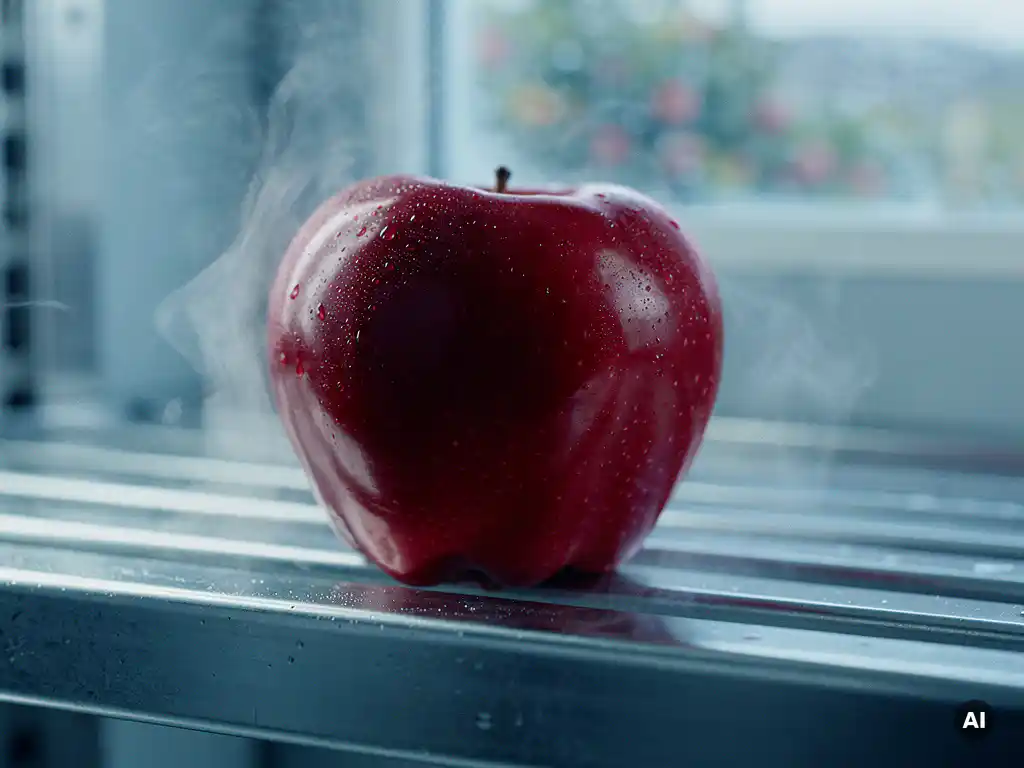
The latest innovations in fruit shelf life span both the breeding lab and the packhouse floor. New apple and pear varieties are being developed with naturally firmer flesh, thicker skin, and built-in disease resistance that reduces postharvest losses before fruit even reaches a storage facility. Combined with advances in controlled atmosphere storage, active packaging, and postharvest coatings, the industry now has more tools than ever to keep fruit fresh, flavourful, and marketable for longer. The sections below unpack the key questions driving this area forward, and if you want to explore what these developments mean for your operation, feel free to get in touch with us directly.
How do new apple and pear varieties naturally last longer?
New apple and pear varieties last longer naturally because breeders are selecting for traits like flesh firmness retention, low ethylene production, and thicker cuticles that slow moisture loss. These genetic characteristics reduce the rate at which fruit softens and shrivels after harvest, extending both storage life and shelf appeal without relying solely on postharvest treatments.
At Better3Fruit, we use molecular markers to identify and combine these traits precisely during the breeding process. Rather than waiting years to observe how a seedling performs in storage, molecular tools allow us to screen thousands of candidates early and select only those with the right genetic profile. This approach accelerates the development of varieties that are inherently better suited to long storage and retail display.
Varieties like our Kanzi® and the fast-growing Morgana® and Giga® have been developed with commercial supply chains in mind. That means considering not just flavour and yield, but how fruit holds its texture and appearance across the weeks between harvest and consumption. Breeding for natural shelf life is one of the most sustainable ways to reduce food waste at scale, because it addresses the problem at the source rather than compensating for it downstream.
What postharvest technologies are extending fruit shelf life in 2026?
Postharvest technologies extending fruit shelf life in 2026 include 1-methylcyclopropene (1-MCP) treatments that block ethylene receptors and slow ripening, UV-C light exposure that reduces surface microbial load, edible coatings that form a semi-permeable barrier against moisture loss, and advanced controlled atmosphere storage systems. These technologies are increasingly used in combination rather than in isolation.
1-MCP, commercially available under brand names like SmartFresh, has become a standard tool for apple storage because it significantly delays softening and senescence. When applied shortly after harvest, it can extend the marketable life of many apple varieties by several weeks. UV-C treatment is gaining traction as a chemical-free option for reducing mould and bacterial contamination on fruit surfaces, particularly for varieties destined for premium retail channels.
Edible coatings based on plant-derived waxes, proteins, or polysaccharides are also evolving. Modern formulations can be tailored to the specific respiration rate of a variety, helping to regulate gas exchange and slow water loss without leaving visible residue or affecting flavour. The most effective postharvest programmes combine these tools with variety-specific knowledge: understanding how a particular cultivar responds to each treatment is essential for getting the best results.
How does controlled atmosphere storage work for apples and pears?
Controlled atmosphere (CA) storage works by reducing oxygen levels and increasing carbon dioxide concentrations inside sealed storage rooms, which slows the metabolic processes that cause fruit to ripen and deteriorate. By maintaining precise gas compositions alongside low temperatures, CA storage can extend apple and pear shelf life by months compared to standard cold storage alone.
In a standard cold store, apples are held at low temperatures but still exposed to normal air. In a controlled atmosphere store, oxygen is typically reduced from the ambient 21% down to around 1-3%, while carbon dioxide is elevated to between 1-5%, depending on the variety. This combination suppresses ethylene activity, slows respiration, and inhibits the growth of postharvest pathogens.
Ultra-low oxygen storage
Ultra-low oxygen (ULO) storage takes this further by reducing oxygen to below 1.5%, often combined with dynamic CA systems that monitor and adjust gas levels in real time based on the fruit’s own physiological signals. ULO is now widely used for long-term apple storage and can maintain fruit quality for up to twelve months in some varieties.
Variety-specific CA protocols
Not all varieties respond the same way to controlled atmosphere conditions. Some cultivars are sensitive to low-oxygen injury or carbon dioxide damage, so storage protocols need to be calibrated to the specific variety. This is one reason why understanding the postharvest biology of a new variety is a core part of the commercialisation process: getting CA parameters right is as important as the variety’s genetics.
What role does disease resistance play in fruit shelf life?
Disease resistance plays a direct role in fruit shelf life because postharvest rots caused by fungal pathogens like Botrytis cinerea, Penicillium expansum, and Neonectria ditissima are among the leading causes of fruit loss after harvest. Varieties with stronger natural resistance to these organisms retain their integrity longer in storage and on the retail shelf.
Breeding for disease resistance has traditionally focused on field performance, reducing the need for fungicide applications during the growing season. But resistance traits that limit infection pathways in the orchard also reduce the level of latent infection that fruit carries into storage. A fruit that enters the cold store with a lower pathogen load is far less likely to develop visible rot during the weeks or months it spends in storage.
We place disease and pest tolerance at the centre of our breeding strategy. Varieties with durable resistance to scab (Venturia inaequalis), powdery mildew, and fire blight not only reduce chemical inputs in the orchard but also arrive at harvest in better condition, which directly supports longer and more reliable shelf life. This connection between field health and postharvest performance is sometimes overlooked but is fundamental to reducing losses across the supply chain.
What’s the difference between shelf life and eating quality over time?
Shelf life refers to how long fruit remains commercially acceptable in terms of appearance, firmness, and absence of defects. Eating quality over time refers to how the sensory experience, flavour, texture, juiciness, aroma, changes during that same period. A fruit can technically be within its shelf life while its eating quality has already declined significantly.
This distinction matters enormously for breeders, retailers, and consumers. A variety might hold its firmness and visual appeal for ten weeks in storage, but if its sugar-acid balance has flattened or its aroma has faded by week six, consumers will notice even if the fruit looks fine. The most commercially successful varieties maintain both dimensions in parallel: they look good and taste good across the full intended storage window.
Breeding for this dual performance requires evaluating fruit at multiple points throughout storage, not just at harvest. We assess our varieties at regular intervals after harvest to understand how their sensory profile evolves over time. Varieties that maintain their characteristic flavour and texture through long storage periods are far more likely to build consumer loyalty and support premium positioning in the market. You can explore our current apple and pear varieties to see how we approach this balance across our commercial portfolio.
How can fruit packaging innovations reduce postharvest losses?
Fruit packaging innovations reduce postharvest losses by creating a modified atmosphere around individual pieces or batches of fruit, slowing respiration and moisture loss, and providing a physical barrier against mechanical damage and microbial contamination. Modern packaging can be tailored to the specific gas exchange needs of a variety, extending freshness at retail level without additional chemical treatments.
Modified atmosphere packaging (MAP) works on a similar principle to controlled atmosphere storage but at a much smaller scale, typically a single bag or tray. Films are engineered with specific permeability to oxygen and carbon dioxide, so the atmosphere inside the pack naturally equilibrates to a composition that slows the fruit’s metabolism. For high-respiration varieties or pre-cut fruit, this can make a meaningful difference to shelf life at retail.
Beyond gas management, packaging design is also addressing physical damage, which is a significant but underappreciated cause of postharvest loss. Cushioned trays, anti-bruise liners, and single-layer retail packs all reduce the mechanical stress that fruit experiences during transport and display. Sustainable packaging formats, including recyclable and compostable materials, are increasingly being adopted alongside these functional improvements, reflecting the broader push toward reducing environmental impact across the supply chain.
Shelf life innovation is not a single solution but a combination of better genetics, smarter storage, and more effective packaging working together across the supply chain. At Better3Fruit, we focus on the foundation, developing varieties that are inherently more durable, disease-resistant, and flavourful from the moment they leave the orchard. If you want to learn more about how our breeding programme can support your business goals, contact us to plan a conversation or a visit.
This content was generated with the help of AI and it may contain mistakes