
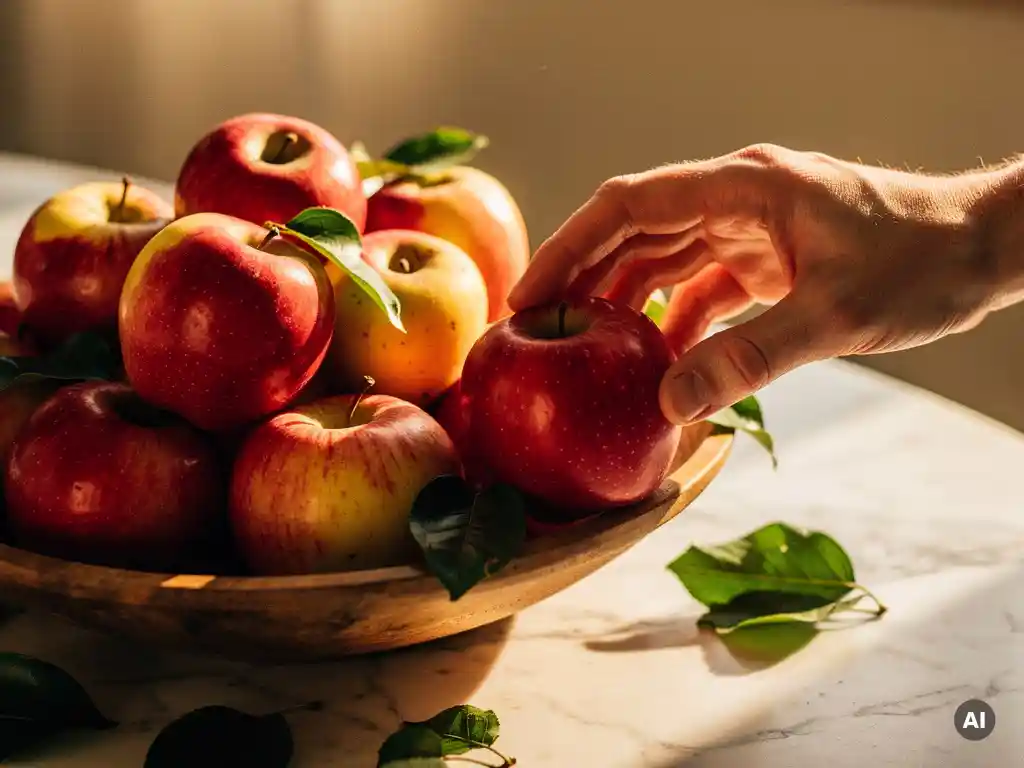
Younger generations are snacking on fruit more than ever, and the trend is reshaping how the fresh produce industry thinks about variety development, branding, and sustainability. Gen Z and millennials are driving demand for fresh fruit snacks that deliver on taste, convenience, visual appeal, and ethical credentials all at once. Below, we unpack the key questions behind this shift, from flavor preferences to the apple and pear varieties gaining real momentum. If you want to explore how we approach variety development for today’s consumer, feel free to get in touch with us.
Why are younger generations snacking on fruit more than ever?
Younger generations are snacking on fruit more frequently because they are actively replacing ultra-processed snacks with fresh, whole-food alternatives. Gen Z and millennials associate fresh fruit with both physical wellbeing and a broader lifestyle identity, eating well is not just a health choice, it is a values statement. Convenience, availability, and growing awareness of what goes into packaged snacks are all accelerating this shift.
Healthy snacking trends among younger consumers have evolved well beyond calorie counting. Today’s snackers want food that performs, something that satisfies a craving, fits into a busy day, and does not compromise on nutrition. Fresh fruit, particularly hand-held varieties like apples and pears, fits naturally into that brief. It requires no preparation, no packaging to dispose of, and no ingredient list to scrutinize.
The rise of social media has also played a meaningful role. Food choices are increasingly visible and shareable, which means younger consumers are more likely to gravitate toward snacks that look good, taste distinctive, and carry a story worth telling. Fresh fruit, especially premium or branded varieties, benefits directly from this dynamic.
What flavor profiles do Gen Z and millennials prefer in snack fruit?
Gen Z and millennials consistently prefer fruit with bold, complex flavor profiles over bland or one-dimensional sweetness. The clearest trend is a preference for fruit that balances high sugar content with noticeable acidity, creating a flavor experience that feels vibrant and satisfying rather than flat. Crunch, juiciness, and aromatic intensity are equally important sensory signals for younger snackers.
This preference for flavor complexity is one reason why certain apple varieties have outperformed expectations in younger demographic segments. A fruit that delivers a genuine taste experience, something surprising or memorable, earns repeat purchase in a way that a generic sweet apple simply does not.
Texture matters as much as taste. Younger consumers tend to reject soft or mealy fruit, associating firmness and crunch with freshness and quality. A fruit that holds its texture from purchase to consumption signals that the product has been handled well and is genuinely premium. This is why breeding programs that prioritize eating quality alongside yield and disease resistance are increasingly well positioned to serve this market.
How does appearance and branding influence fruit choices in younger shoppers?
Appearance and branding have an outsized influence on fruit choices among younger shoppers. Gen Z in particular makes rapid visual judgments at the point of sale and on social media, meaning color, skin finish, and size all function as quality signals before a single bite is taken. A visually striking piece of fruit, deep red, bright bicolor, or unusually shaped, is far more likely to earn attention in a crowded produce aisle or on a phone screen.
Beyond the fruit itself, brand identity plays a growing role. Club varieties with clear visual identities, consistent quality standards, and a recognizable name benefit from the same brand loyalty dynamics that drive younger consumers toward premium products in other categories. A branded apple or pear is not just a piece of fruit, it is a product with a promise attached to it.
Packaging and point-of-sale communication also matter. Younger shoppers respond well to origin stories, variety names that feel distinctive, and messaging that connects the fruit to a broader set of values. A variety that can be explained in one compelling sentence, where it comes from, what makes it different, why it was bred, has a genuine marketing advantage over generic bulk produce.
What role does sustainability play in how younger consumers choose fruit?
Sustainability is a genuine purchase driver for younger fruit consumers, not just a background preference. Gen Z and millennials are more likely than older generations to factor environmental and ethical considerations into everyday food choices, including fresh fruit. This translates into demand for varieties that require fewer pesticide applications, are grown by producers with credible sustainability credentials, and come with minimal packaging.
Disease and pest resistance in fruit varieties is one of the most direct ways that breeding innovation connects to sustainability outcomes. A variety with strong natural resistance to common pathogens reduces the need for chemical intervention across the entire supply chain, a benefit that is increasingly valued by retailers, growers, and consumers alike. At Better3Fruit, disease and pest tolerance is a central pillar of our breeding strategy, precisely because it aligns long-term commercial viability with genuine environmental benefit.
Climate resilience is the next frontier. As growing regions face more unpredictable weather patterns, younger consumers are beginning to understand that the availability and quality of fresh fruit is not guaranteed. Varieties bred for adaptability and robustness are not just a grower concern, they are increasingly part of the sustainability story that resonates with environmentally aware shoppers.
Which apple and pear varieties are gaining popularity as snack fruit?
Apple and pear varieties gaining popularity as snack fruit among younger consumers share a common profile: exceptional eating quality, strong visual appeal, and a clear brand identity. Club varieties, those grown and marketed under a controlled license, are particularly well positioned, because they deliver consistent flavor and appearance that shoppers can rely on across different retailers and seasons.
Among the varieties we have developed, Kanzi® and Morgana® represent two distinct points on the spectrum. Kanzi® has built a strong following over the past decade on the strength of its intense sweet-sharp flavor balance and satisfying crunch, exactly the kind of bold eating experience that younger snackers gravitate toward. Morgana® is a newer variety gaining rapid traction, combining striking appearance with a flavor profile that feels genuinely contemporary.
Giga® is another variety worth noting in the context of snack fruit trends. Its size, texture, and flavor make it well suited to the hand-held, on-the-go consumption pattern that defines how younger generations snack. As the category continues to evolve, varieties that can deliver a memorable eating experience while meeting grower and retailer requirements for yield, shelf life, and disease resistance will be the ones that earn lasting shelf space.
The broader direction of travel is clear: snack fruit for younger generations needs to work harder across every dimension, taste, appearance, sustainability, and brand story. If you are exploring variety licensing or want to learn more about how we develop fruit for today’s consumer, reach out to us and we would be happy to discuss what we are working on.
This content was generated with the help of AI and it may contain mistakes