
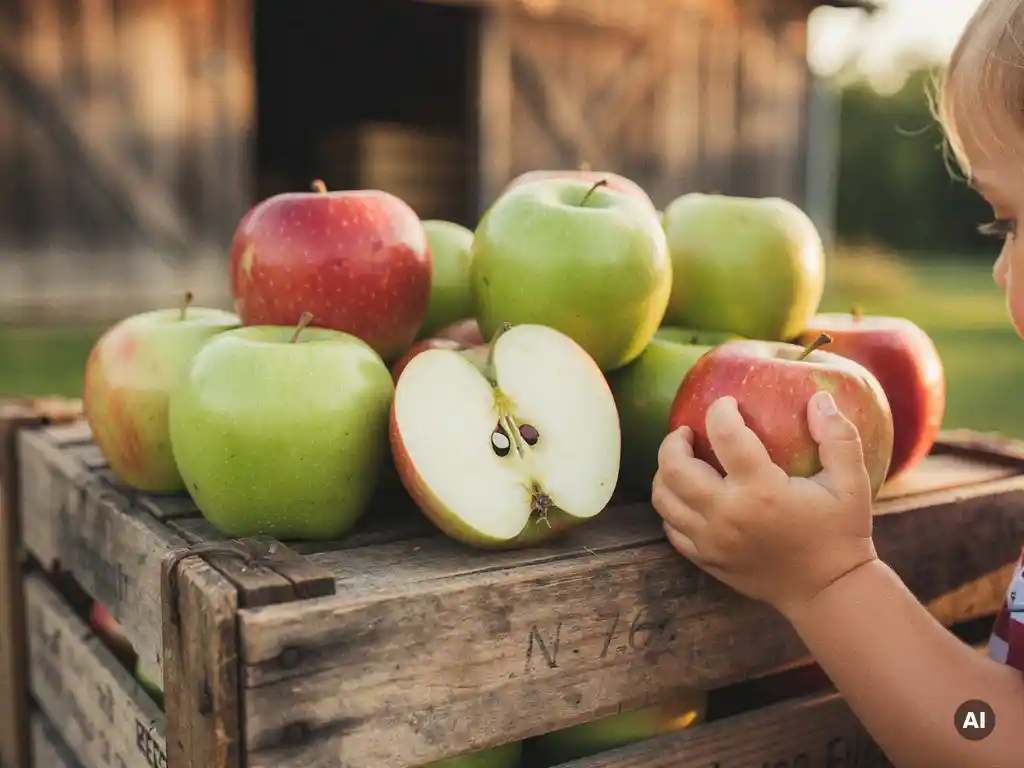
Size and shape play a central role in fruit convenience by directly affecting how easy a fruit is to pick up, eat, carry, and package. A fruit that fits naturally in one hand, requires no cutting, and leaves minimal mess delivers a genuinely convenient eating experience. The sections below explore how these physical traits shape everything from consumer preference to packaging design and modern breeding decisions, and if you have questions along the way, feel free to get in touch with us.
How does fruit size affect the eating experience?
Fruit size affects the eating experience by determining whether a fruit can be eaten in one or two bites, held comfortably in one hand, and consumed without utensils or preparation. A fruit that is too large feels like a commitment rather than a snack, while one that is too small may feel unsatisfying. Size sets the pace and practicality of every eating moment.
Beyond the physical act of eating, size also influences perception of value and freshness. A larger apple signals abundance but can be awkward to bite into if the diameter exceeds comfortable mouth width. A smaller apple or pear, by contrast, can be eaten quickly and cleanly, making it far more appealing in on-the-go situations. For parents packing lunchboxes or commuters grabbing a snack, the ability to finish a fruit in a few bites without waste is a genuine advantage. Size also affects juiciness distribution: a fruit with a high flesh-to-core ratio relative to its size delivers more eating value per gram, which consumers notice even if they cannot articulate it.
What size is considered ideal for a snacking apple or pear?
The ideal size for a snacking apple or pear is generally between 60 and 80 millimetres in diameter, which corresponds to a weight of roughly 100 to 180 grams. This range fits comfortably in an adult hand, suits children’s portions, and allows the fruit to be eaten in a reasonable number of bites without requiring cutting or peeling. Most successful club apple varieties target this window deliberately.
Industry experience shows that fruits falling below 60 millimetres are often perceived as underripe or low quality, even when flavour is excellent. Fruits above 80 to 85 millimetres can feel oversized for snacking, though they remain popular for fresh-cut or shared consumption. For pears, the ideal snacking size is slightly more nuanced because pear shapes vary so widely, but a fruit that weighs between 130 and 200 grams generally hits the sweet spot for handheld eating. Retailers and foodservice buyers increasingly specify size grades when placing orders, which means that breeding for a consistent, targeted size is not just a quality issue: it is a commercial one.
How does fruit shape influence convenience and packaging?
Fruit shape influences convenience by determining how easily a fruit can be gripped, stacked, transported, and displayed. A symmetrical, round apple with a flat base sits stably on a surface and rolls predictably in packaging. An irregular or elongated shape, by contrast, can be harder to grip, more prone to bruising during transit, and less efficient to pack tightly, which raises costs and increases waste.
From a packaging perspective, shape uniformity is as important as size uniformity. Retail bags, trays, and clamshell containers are all designed around predictable dimensions. A variety with a consistent, regular shape allows packers to maximise the number of fruits per unit while minimising movement and bruising. Elongated or lopsided fruits create gaps in packaging, which not only looks unappealing on the shelf but also increases the risk of damage during transport.
Shape also affects the eating experience directly. A conical apple with a pronounced shoulder can be awkward to bite into at the stem end, while a flatter, more oblate shape offers a more uniform bite from first to last. For pears, the classic pyriform shape, narrow at the stem and wide at the base, is familiar and functional, but varieties with a more rounded profile can feel more apple-like in the hand, which broadens their appeal among consumers who are less familiar with pears as a snack fruit.
Why do apple and pear varieties differ so much in size and shape?
Apple and pear varieties differ so much in size and shape because these traits are controlled by multiple genes that interact in complex ways, and because centuries of selection by growers, breeders, and markets have pushed varieties in very different directions. Climate, rootstock, and growing conditions also amplify natural genetic variation, meaning the same variety can express itself differently depending on where and how it is grown.
Historically, size and shape were selected based on regional preferences and practical storage needs rather than snacking convenience. Many heritage varieties were bred to be large for cooking, easy to store over winter, or visually striking for market display. Modern consumption habits, more snacking, more on-the-go eating, more single-serve packaging, have shifted what growers and breeders prioritise. This is why newer varieties tend to cluster more tightly around the convenient mid-size range, while older varieties span a much wider spectrum.
Pears show even greater shape diversity than apples because the genus Pyrus includes a broader range of species, and traditional pear breeding drew on more varied genetic material. European pears, Asian pears, and hybrid types all carry distinct shape signatures, and these differences persist across generations even when breeders actively select for uniformity.
How are size and shape traits selected in modern apple breeding?
In modern apple breeding, size and shape traits are selected through a combination of field observation, physical measurement, and molecular marker technology. Breeders evaluate thousands of seedlings each season, recording fruit dimensions and shape scores alongside taste, colour, and disease resistance data. Molecular markers allow breeders to identify genetic links to size and shape traits early, reducing the time and cost of bringing a new variety to market.
At Better3Fruit, we run one of the largest apple and pear breeding programs in the world, with over 30,000 new varieties under evaluation at any given time. Each year, around 10,000 new seedlings of each crop enter the field, and physical traits like fruit size and shape are assessed systematically alongside agronomic and sensory characteristics. This scale allows us to identify rare combinations, a variety that is the right size, the right shape, disease tolerant, and genuinely delicious, that would be nearly impossible to find in a smaller program.
Modern tools such as image analysis software now allow shape to be measured more objectively than traditional visual scoring, capturing subtle differences in symmetry, shoulder height, and calyx basin depth that affect both eating quality and packaging performance. The goal is not simply to breed a fruit that looks uniform, but to develop varieties whose size and shape serve the full supply chain, from grower to packer to retailer to consumer. You can explore the varieties we have developed with these principles in mind on our variety portfolio page.
Size and shape may seem like secondary concerns compared to flavour or shelf life, but they are fundamental to whether a fruit actually gets eaten. A variety that ticks every other box but is awkward to hold or too large to finish on a lunch break will always struggle in the snacking market. If you want to learn more about how we approach variety development or discuss licensing opportunities, contact us: we are always happy to talk fruit.
This content was generated with the help of AI and it may contain mistakes